







Search Results for: Hambela 7063
Does Ethiopian Natural Huakui G1 Represent the Highest Quality? Decoding the Meaning of the Hambella 7063 Batch Number
How exactly does Ethiopia's coffee grading system work? Is sun-dried Geisha G1 equivalent to the highest-quality coffee beans? What does the batch number Hambella 7063 represent? This article will systematically sort out Ethiopia's coffee grading standards, including the two major dimensions of cupping score and green bean defect rate, and deeply analyze the grading logic of the sun-dried processing method. At the same time, it will take you into Hambella, the Guji producing region and hometown of Geisha coffee, to learn about its geographical environment, farm operations, and the origin of its name. Finally, it includes Front Street Coffee's light-roast brewing parameters and three-stage extraction method for Geisha, helping you fully release the floral and fruity aromas of this bean. [more…]
Ethiopian Coffee Grading System Explained: The Meaning of Natural Geisha G1 Grade and an Analysis of the Hambella 7063 Lot Code
Ethiopia's coffee bean grading system combines dual standards of cupping quality and green bean defect rate. Among them, natural-process beans saw the G1 grade appear for the first time after the ECX reform, and Huakui is precisely a representative of this grade. This article systematically sorts out the logic of Ethiopian coffee grading, analyzes the meaning of the Hambella 7063 batch code, and takes an in-depth look at Huakui coffee's origin background, processing method, and the origin of its name. At the same time, it shares Front Street Coffee's light-roast approach for Huakui and V60 three-stage brewing parameters, helping coffee enthusiasts fully understand this champion bean's complete profile from producing region to cup. [more…]
Ethiopian Sidamo Flower Queen Coffee: A Comprehensive Analysis of the Grading System, Hambela Region, and Natural Process Brewing
The Huakui coffee from the Sidamo region has become a star among Ethiopian natural beans, thanks to its rich floral and fruity aromas and honeyed sweetness. This article begins with Ethiopia's coffee grading standards, sorting through the two systems of cupping scores and green bean defect rates, and explaining the differences between G1 and G3 grades as well as the impact of ECX reform on the grading of natural beans. It then focuses on Hambela in the Guji region, introducing Huakui's origin terroir, farm background, traditional natural processing, and the origin of its name from winning TOH. Finally, it includes Front Street Coffee's light roasting approach for Huakui and V60 three-stage brewing parameters, helping readers fully understand the flavor sources and extraction key points of this bean. [more…]
A Complete Guide to Ethiopia's Huakui Coffee Beans: Hunkute G1 Natural Flavor and Sidamo Region Introduction
Ethiopia is a globally important coffee-producing country, and its grading system is based on two core criteria: cupping performance and the defect rate of green beans. Huakui coffee beans originated in Hambela, in the Guji zone of Sidama, and rose to fame by winning the 2017 TOH competition, becoming a star product among natural-process beans. This article provides a systematic overview for coffee enthusiasts, covering Ethiopian grading standards, the background of the Hambela production area, the origin of the name Huakui, the natural processing method, and the brewing parameters and flavor performance of Front Street Coffee's Huakui coffee. Whether you want to understand the real difference between G1 and G2, or want to master the specific technique of V60 three-pour extraction, you will find clear answers in this article. [more…]
What Do the Coffee Bean Grade Labels G1 and G2 Actually Mean? Understanding the Grading Systems of Different Countries at a Glance
When selecting coffee beans, letter markings like AA and G1 often appear on packaging, and they actually represent the green bean grading systems of different origins. In this article, Front Street will guide you through Ethiopia's G1 to G5 grades, which are classified by the proportion of defective beans, as well as the nine-level classification method that combines physical characteristics and cupping scores after the establishment of the ECX. In addition, we will introduce Kenya's eight grades, including AA, AB, and PB, which are distinguished by bean size, and briefly mention the grading criteria of Colombia, Jamaica, Brazil, and other countries, to help you better understand the meaning behind these markings when buying beans. [more…]
The Naming Origins of Ethiopia's Hambela Guji Coffee and a Full Analysis of the Hambela Natural Bean Variety
Since Huakui coffee beans rose to fame in 2017, they have continued to attract attention in China's specialty coffee scene. This natural-process coffee from Hambela in the Guji zone of Sidama, Ethiopia, is named for its distinctive strawberry-and-cream flavor, and behind it lies a story of winning the TOH green bean competition. This article provides a complete overview of Huakui's origin, the story behind its name, its version evolution, and Front Street Coffee's roasting and pour-over recommendations, helping coffee lovers gain a full understanding of this star bean. [more…]
Ethiopia Guji Hambela Washed Huakui G1: From Origin to Flavor, Comparing the Differences Between Huakui and Huakui 2.0
Huakui coffee beans are the signature product of Hambela in the Guji region of Ethiopia, famous for the floral aromas and citrusy sweet-tart acidity brought by the washed process. This article provides a comprehensive analysis of the characteristics of washed Huakui G1, from growing region, processing station, altitude, and variety to flavor description, and also compares the flavor differences between Huakui and Huakui 2.0. The article also introduces the refined natural process of Hambela Estate and its recognition in the international specialty coffee world, including the reasons Front Street Coffee recommends Huakui. Whether you are a pour-over enthusiast or a cold brew lover, you can discover the unique charm of this bean. [more…]
The Origin of Huakui Coffee: The Historical Relationship Between Guji and Sidama and the Evolution of Hambela Natural Beans
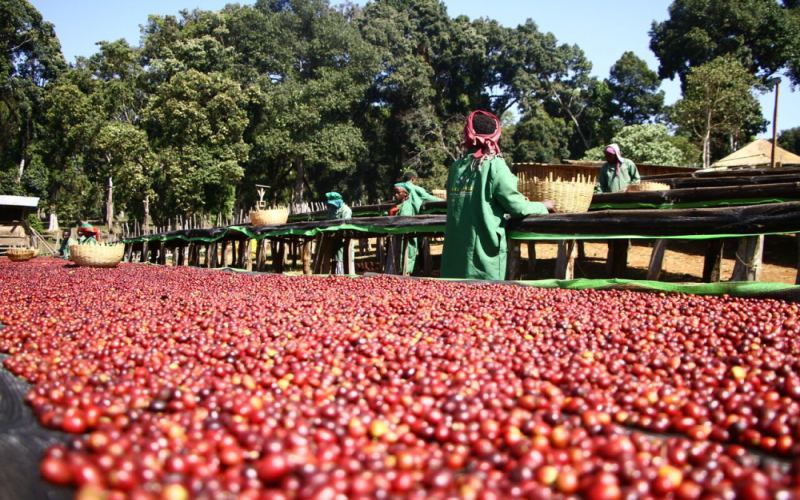
In Ethiopia's coffee landscape, the relationship between Sidama and Guji often confuses people. From the perspective of Front Street Coffee, this article traces the historical evolution of the Sidama region, explains how Guji became independent from Sidama, and takes a deep dive into the Hambela region to tell the story of how the Huakui natural coffee bean rose to fame and how its versions changed over time. Whether you are new to single-origin coffee or want to understand the story behind Huakui, you will gain a clear framework and practical flavor references from it. [more…]
Ethiopia Hambela Estate Single-Layer Sun-Dried Slow Fermentation Method: How the SLD Process Creates High-Quality Natural Beans
Ethiopia, as the birthplace of coffee, has seen a continuous emergence of high-quality lots in emerging producing regions such as Guji in recent years. This article focuses on the single-layer sun-dried slow-drying Lot 121 produced by a single farm in St. Lion Village of Front Street Hambela Estate, offering an in-depth analysis of this rare processing method known as SLD—where only a single layer of coffee cherries is spread on raised beds, the drying period is strictly controlled at around 18 days, and the fruit is allowed to fully ferment through the most perfect convection environment, thereby imparting fuller sweetness and body to the coffee beans. The article also examines why Ethiopia's smallholder-dominated production system makes single-farm traceability difficult to achieve, how Hambela Estate owner Aman adheres to quality at extremely high cost, and compares the subtle flavor differences between the Guji region and Yirgacheffe. [more…]
Hambela Region: The Source of Sweetness in Ethiopian High-Altitude Washed Coffees
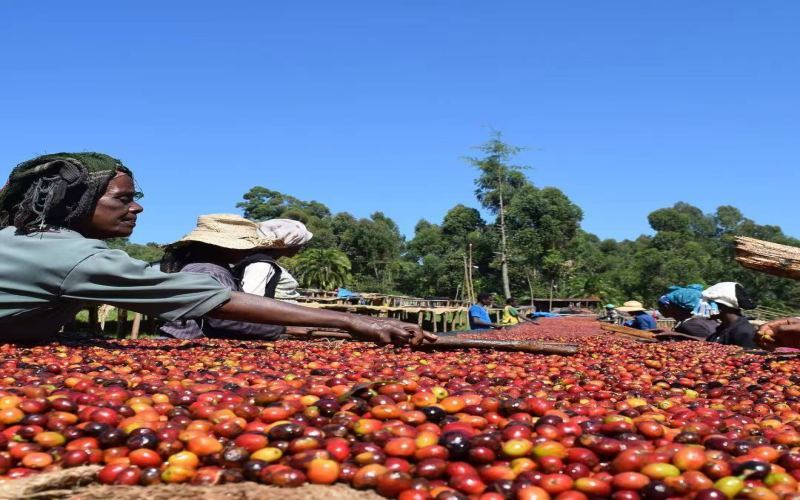
In the high-altitude producing regions of Ethiopia, the name Hambela has often been mentioned in recent years. It is located in the Guji region, and the Gesha coffee it produces has become popular for its rich fruity aroma, while the region's own high-altitude environment is an important source of its sweetness. Where Hambela is located Hambela is situated in the high-altitude zone of the Guji region in southern Ethiopia, [more…]
Hambela Region: The Source of Sweetness in Ethiopian High-Altitude Washed Coffees
In the high-altitude growing regions of Ethiopia, the name Hambela has been mentioned frequently in recent years. It is located in the Guji region, and the Huakui coffee it produces has become popular for its rich fruity aroma, while the region's high-altitude environment is precisely an important source of sweetness. Where Hambela Is Located Hambela is situated in the high-altitude zone of the Guji region in southern Ethiopia, [more…]

Ethiopia Guji Hambela Buku: Flavor Analysis Under Low-Temperature Slow Sun-Drying Process
In the highlands of southeastern Ethiopia, the Guji region has gradually risen to prominence thanks to its superior terroir, and Buku Abel within the Hanbela village is a pristine coffee-growing site at an altitude of over two thousand meters. This article provides an in-depth introduction to the Buku plot's regional background, processing methods, green bean characteristics, roasting curve, and cupping flavor performance, while also sharing Front Street Coffee's brewing recommendations for this batch of beans. From the drying logic of low-temperature slow sun-drying to the pear, strawberry, orange, and creamy honey-like sweetness presented in the cup, this takes you through a comprehensive understanding of this Ethiopian specialty coffee that combines floral aromatics with tropical fruit notes. [more…]
In-Depth Analysis of Single-Layer Sun-Dried Slow Fermentation (SLD): How the Hambela Region Produces High-Quality Natural Coffee
In the Guji region of Ethiopia, there is a place called Hambela that is quietly changing people's perception of natural coffee. Here, a processing method known as SLD—Single Layer Drying slow fermentation—is used, spreading coffee cherries in a single layer on raised beds and subjecting them to about 18 days of precise drying, so that every cherry receives the most even airflow and the fullest fermentation. Although this technique takes up more space and time, it gives the beans fuller sweetness and greater storage potential. Compared with traditional Yirgacheffe, Hambela coffee is gentler in acidity, yet superior in sweetness and body. This article will take you deeper into what makes this processing method unique and how it influences the final flavor of the coffee. Front Street Coffee also particularly recommends paying attention to beans from this region and experiencing their appealing expression, as warm and smooth as fruit tea. [more…]
Ethiopia Hambela Guji Flower Queen Coffee Beans: The Road to Fame from TOH Champion to National Staple
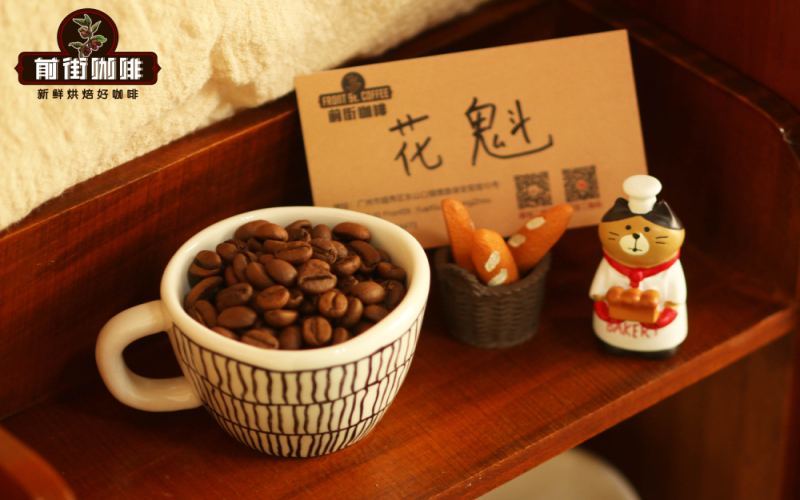
Huakui coffee beans are one of the most talked-about Ethiopian varieties in China's specialty coffee scene in recent years. Originating from the Buku Abel processing station in the Hambela region of Sidama, it shot to fame thanks to winning the 2017 TOH natural category championship and its standout performance at the World Brewers Cup. Compared with the often pricey Geisha, Huakui quickly became a daily staple for many coffee lovers thanks to its affordable price and intense strawberry-and-cream aroma. This article will systematically trace the origins and evolution of this bean from the perspectives of Huakui's rise to fame, regional grading, flavor evolution, and brewing comparisons, helping readers fully understand why Huakui coffee beans are both cheap and delicious. [more…]
Ethiopia Guji Hambela Natural G1 Flavor Analysis: Hualgui Coffee Pour-Over Taste and Origin Background
Geisha—this Ethiopian natural bean that has drawn countless coffee lovers into the specialty world—what is its true origin and flavor? This article begins with the evolution of the Sidamo and Guji growing regions, sorts out the background of the Hambela farm and METAD, and explains in detail how Geisha went from a TOH champion to being named by batch. At the same time, Front Street Coffee brings the cupping and pour-over performance of the latest harvest Geisha 8.0: guava, jackfruit, and floral notes in the dry aroma; dried mango, passion fruit, and a juicy mouthfeel on the palate; and, as the temperature changes, the clean sweetness of peach and a black tea finish. Whether you are a beginner just getting into single-origin coffee or a veteran eager to understand batch differences, you will find useful information here. [more…]
Flavor Benchmark of the Guji Region: Cupping and Brewing Experience of Hambela Natural Process Lot 105 Coffee
The natural process lots from Ethiopia's Hambela Estate have always been known for their intense fermented character, but this Lot 105 presents a completely different style. Front Street Coffee's Ethiopia Hambela Estate St. Lion single-farm slow-dried Lot 105 comes from the highlands of the Guji region at 2,150 meters above sea level, carefully cultivated by local smallholder farmers. This review used 500 grams of green beans for roasting tests, ultimately achieving a weight loss rate of 12.2%. After 24 hours, cupping revealed rich layers of plumeria sweetness, citrus, kiwi, strawberry, and blueberry, with sweetness approaching that of peach and honey. The article documents in detail the bean sorting, roasting curve, brewing parameters, and flavor changes, making it suitable reading for coffee enthusiasts who want to gain a deeper understanding of the characteristics of the Guji production region and new trends in natural processing. [more…]
Which estate does Saint Lion coffee bean come from? A full analysis of the flavor of the Hambela Benti Nenqua micro-lot special processing method
Sacred Lion coffee beans have attracted considerable attention from coffee enthusiasts in recent years. Which estate do these beans actually come from? And what makes them so special? The answer points to Ethiopia's Hambela estate, specifically lot 121 produced by the single farm Benti Nenqua. The estate belongs to METAD, and after Aman Adinew, who once held a key position at a Fortune 500 company, took over the family business, he introduced corporate management and SCAA quality standards, equipping it with a farm, processing plant, and coffee laboratory. Green bean traders named it "Sacred Lion" and specifically noted the SLD single-layer slow drying process to distinguish it from other natural Ethiopian beans. The cupping profile presents tropical fruit, citrus, stone fruit, strawberry jam, and a blueberry finish. This article will provide a complete introduction to this micro-lot's origin background, processing method, and flavor characteristics, while retaining relevant recommendations for the Front Street Coffee brand. [more…]
Ethiopia Guji Hambela: The Coffee Geography Evolution from Sidamo Separation to the Legend of Huakui
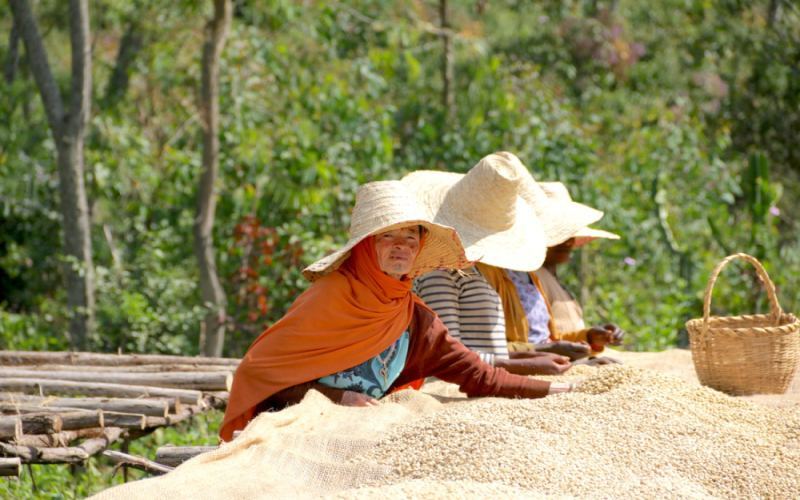
Ethiopia, as the birthplace of coffee, has a regional division far more complex than any administrative map. In the past, we were accustomed to labeling the origin of Huakui as "Sidamo," but today "Guji" has become the more common traceability information. Behind this change is the process by which the Guji region, relying on high altitude, fertile soil, and refined processing methods, became independent from Sidamo and rose rapidly. Hambela, as a star sub-region of Guji, is both a farm and a processing station, and gave birth to the Huakui series that has swept the specialty coffee world. Front Street Coffee will guide you through this evolution of coffee geography and retain detailed interpretations of products such as Huakui 8.0. [more…]
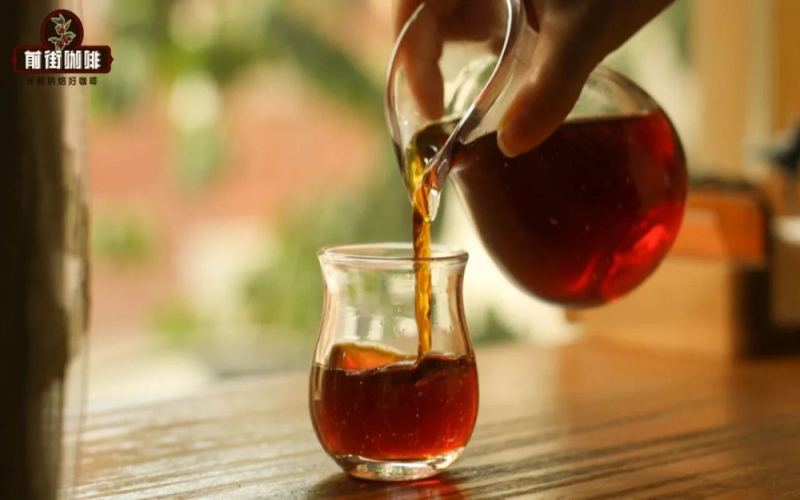
A Complete Guide to Hand-Brewing Hunkute Coffee: From the Hambela Region to Natural-Process Flavors and Brewing Parameters
In recent years, acidic coffee has gradually become popular, and the Hambela bean has been remembered by many coffee lovers for its bright citrus and berry notes and its juicy, sweet-and-sour taste. It rose to fame in 2017, and behind it lies the sun-dried process of Ethiopia's Guji region, the Hambela farm, and the Buku processing station. Front Street Coffee has added Hambela 5.0 to its bean list. This article takes you through a complete understanding of Hambela coffee's flavor and brewing methods, from its regional background and variety characteristics to brewing suggestions. [more…]
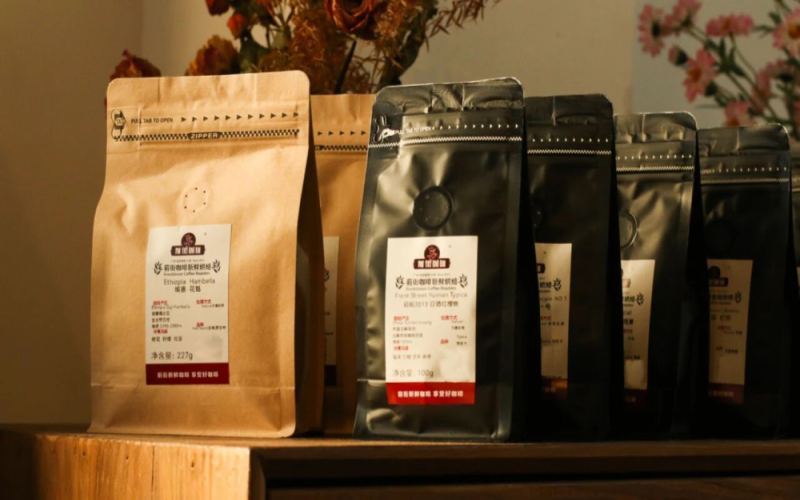
Exploring Sidamo Hambela: A Full Analysis of the Variety, Flavor, and Natural Processing of Huakui Coffee Beans
The Huakui coffee beans come from Hambela in the Guji zone of Sidama, Ethiopia, one of the highest-altitude coffee sub-regions, known for Ethiopian heirloom varieties and washed/natural processing. This article provides a detailed introduction to the scale and operations of Hambela Farm, the origin of the name Huakui, the natural processing workflow, Front Street Coffee's light roast and V60 three-pour brewing parameters, as well as the rich flavor profile of natural Huakui. Whether you want to understand the terroir of the region or master brewing techniques, this content offers practical reference. [more…]